Rightsized Your Life, Don’t Downsize:
Embrace a Fulfilling New Chapter
Over the years, I’ve worked with many retirees and homeowners who come to me with the same concern:
“I know I should downsize… but it feels heavy.”
And I understand why. The word downsizing often brings up images of giving things up — space, belongings, memories, even a sense of identity. Many people worry that moving to a smaller home means closing a meaningful chapter of their life.
That feeling is very real. Even organizations like Wesley, Life acknowledge that downsizing can stir “complex emotions of leaving behind not only a home, but also a chapter in life.”
But here’s what I’ve seen time and time again in my work:
That’s only part of the story.
For many of my clients, this transition ends up being one of the most freeing and empowering decisions they make. That’s why I rarely use the word downsizing. Instead, I call it rightsizing — because you’re not shrinking your life, you’re shaping it to fit who you are now.
As one retirement community put it perfectly:
“You don’t downsize your life. You rightsized it.”
And when you do, you unlock a kind of freedom most people spend years dreaming about.
Myth: Downsizing Means Sacrifice
One of the biggest myths I hear is that moving to a smaller home means giving up everything you love.
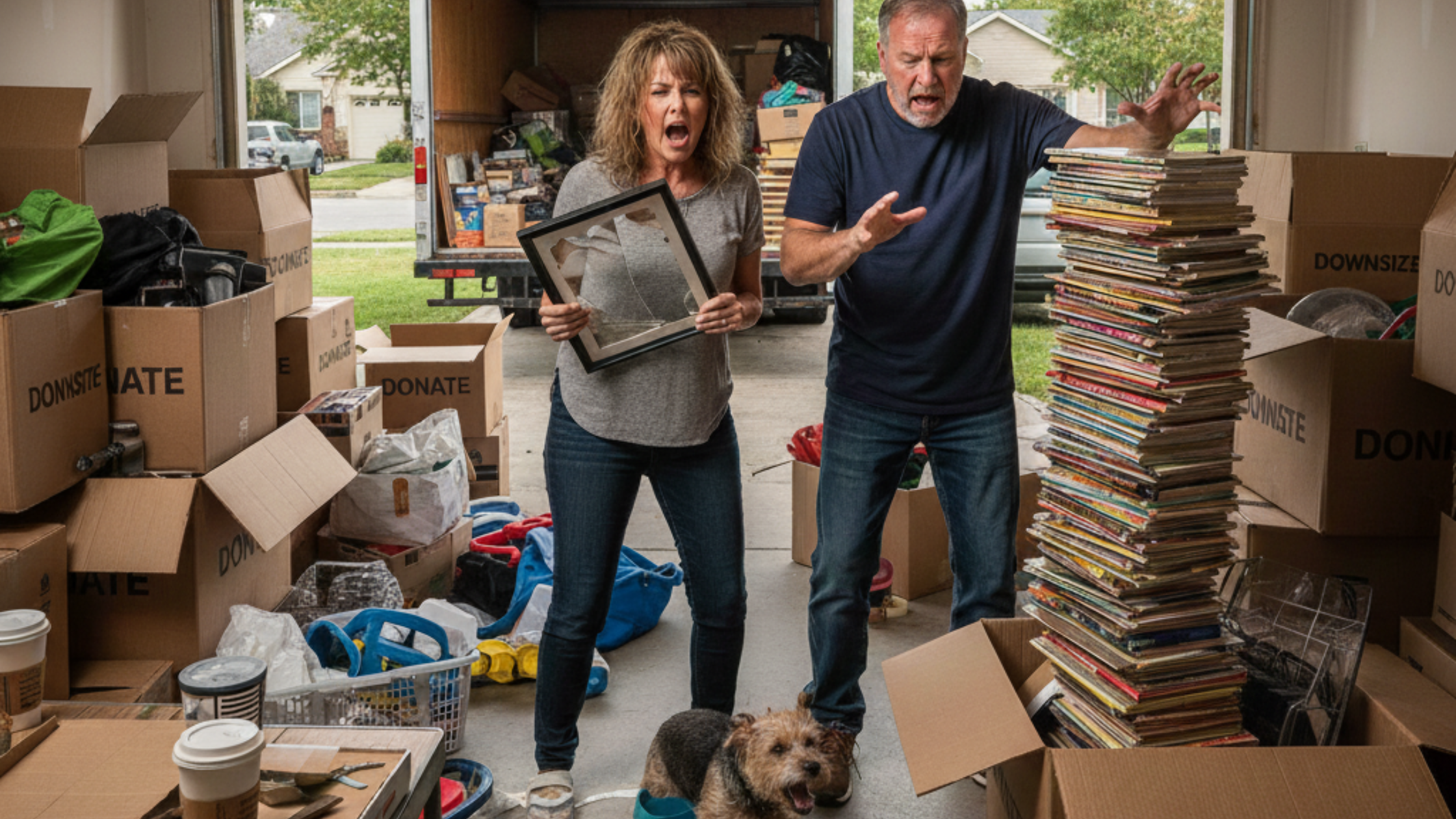
Of course, it’s natural to worry about leaving a family home or sorting through years of belongings. But the biggest shift happens when we change the mindset.
Downsizing is often driven by necessity.
Rightsizing is a choice.
When you rightsized, the focus shifts from what you’re losing to what you’re gaining. You’re no longer asking, “What do I have to give up?” — you’re asking, “What do I want my life to feel like?”
I’ve had clients tell me after their move, “Life feels simpler now,” or “I didn’t realize how much time I’d get back.” One retiree shared that his home now supports his lifestyle instead of managing unused space — and that made all the difference.
I’ve even worked with clients who described this stage not as a step back, but as expansion. One resident I spoke with said it best:
“This isn’t retirement as withdrawal. It’s retirement as expansion.”
When you focus on possibility instead of loss, the experience becomes uplifting. Rightsizing often feels empowering because you’re choosing a home that supports your well-being, lowers stress, and makes daily life easier.
What Rightsizing Really Means
From my perspective as a real estate professional, rightsizing is about alignment.
It’s intentionally choosing a living situation that fits your current lifestyle — not the one you had 20 or 30 years ago.
For some people, that does mean a smaller, more manageable home. For others, it might mean moving closer to family, choosing a community with built-in amenities, or even remodeling their existing home to better suit their needs.
Rightsizing can look very different depending on the person, but some common examples include:
A lower-maintenance home
A single-level home or condo where yard work and constant upkeep are no longer a concern.Accessibility and convenience
Wider doorways, walk-in showers, better lighting, or simply being closer to healthcare and daily essentials.A supportive community
Neighborhoods where social connection, amenities, and activities are part of everyday life.Staying put, but adapting
Making thoughtful updates to your current home so it continues to serve you comfortably and safely.
In every case, the goal is the same:
Create a home that supports the life you want to live now.
Rightsizing isn’t about having fewer things — it’s about removing what feels heavy so you can focus on what truly matters.
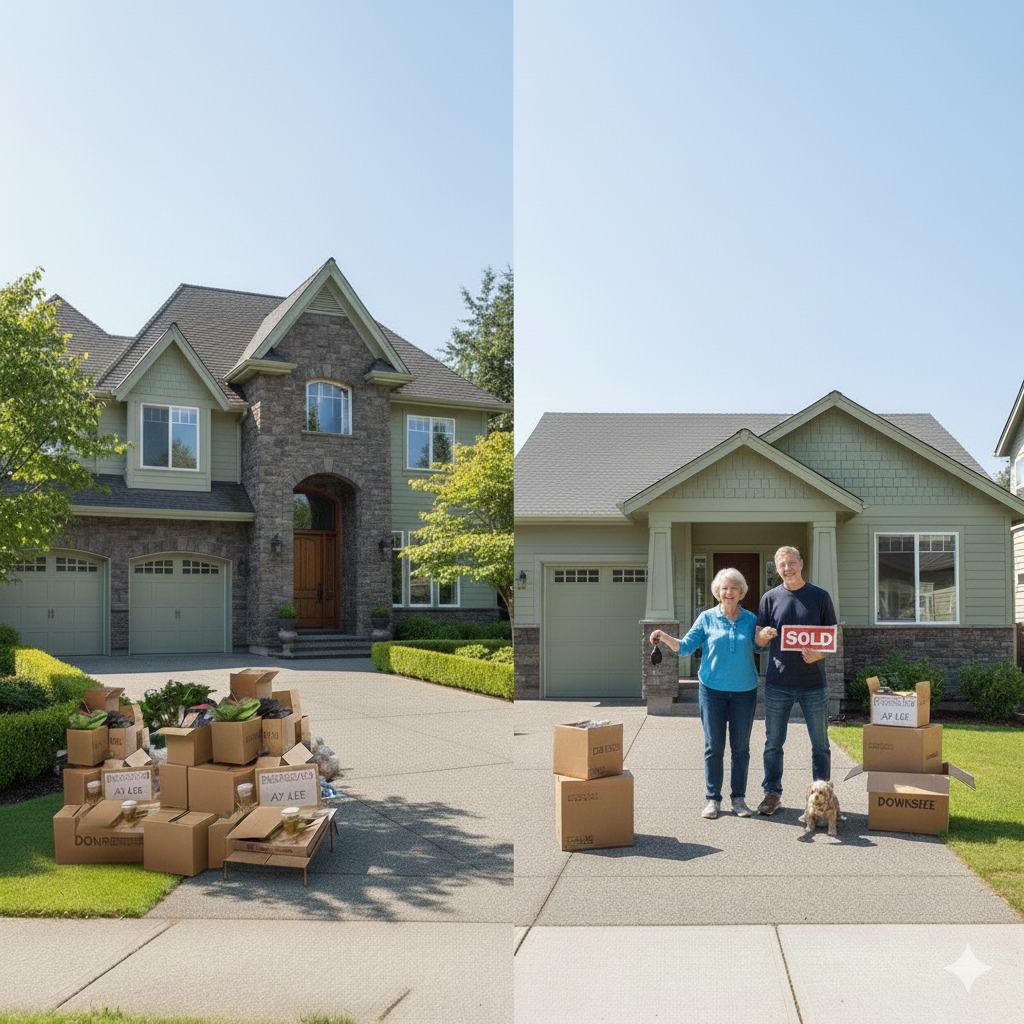
The Real Benefits of Rightsizing
One of the most rewarding parts of my job is seeing how my clients feel after the move.
Modern homes and communities designed with retirees in mind often feel bright, open, and surprisingly spacious — just without the unnecessary upkeep. I’ve had clients say, “This home is perfect. It’s exactly the right size.”
And what they gain goes far beyond square footage:
More Time, Less Maintenance
Without constant cleaning, repairs, and yard work, people suddenly have time again — time to travel, see family, explore hobbies, or simply relax.
Safety and Peace of Mind
Less clutter, fewer stairs, and smarter layouts significantly reduce fall risks and daily stress. These aren’t reactive decisions — they’re proactive ones that support long-term independence.
Mental Clarity
A simpler home often leads to a calmer mind. Decluttering and right-sizing can feel incredibly freeing, helping people feel lighter, more focused, and more in control.
Stronger Social Connections
Rightsizing often brings people closer to community. Whether it’s being near family or living in a neighborhood where social interaction is built in, I see many clients become more connected — not less.
Financial Flexibility
Selling a larger home can free up equity, reduce monthly expenses, and provide more financial comfort in retirement. It’s not always about spending less — it’s about spending smarter.

Decluttering: The Emotional (and Liberating) Part
Let’s be honest, this part can be emotional.
Sorting through decades of belongings isn’t easy. But I always remind my clients: you’re not erasing memories. You’re choosing which ones move forward with you.
Decluttering often brings unexpected relief. People tell me they feel calmer, lighter, and more at peace once they’re surrounded only by what they truly love and use.
Every box donated or passed on is one less thing to manage, and one more step toward simplicity.
Moving Forward with Confidence
Rightsizing doesn’t need to feel overwhelming.
I encourage clients to start by envisioning their ideal day:
What feels easy?
What feels heavy?
What would make life simpler?
Ask yourself:
Do I want to be closer to family?
Do I want less maintenance?
What kind of home will support me best in the years ahead?
And remember, you don’t have to do this alone. Whether it’s guidance from a real estate professional, a move manager, or simply talking with others who’ve done it, support makes all the difference.